


 The snowy backdrop of Colorado provided the image for Stephen Stills' 1970 solo album.
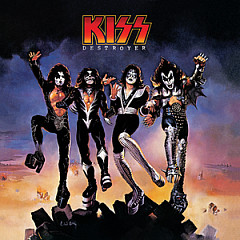
Kiss sing about "movin' fast on 95" in "Detroit Rock City," but I-95 doesn't go through Detroit (I-75 does) so they published the lyric as "Movin' fast, doin' 95."
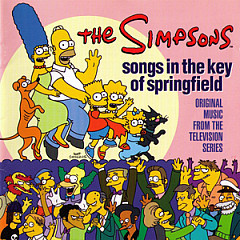
The Simpsons theme song was composed by Danny Elfman, who went on to write music for films like Edward Scissorhands and Men In Black. He had a band at the time called Oingo Boingo, which did the theme song to the 1985 movie Weird Science.
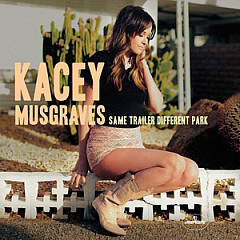
Kacey Musgraves offered "Follow Your Arrow" to her friend Katy Perry, but Perry thought Musgraves should record the song herself, telling Kacey it seemed "like something that you would totally say."
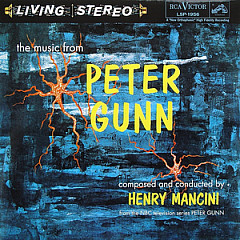
The first TV theme song to become a hit was "Peter Gunn" back in 1959. It's an instrumental composed by Henry Mancini. His version was used on an album called The Music From Peter Gunn, which stayed at #1 for 10 weeks. The song was also a hit for Duane Eddy.
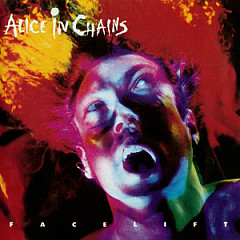
Jerry Cantrell used a talkbox to create the warbling vocal effect on the Alice in Chains song "Man In The Box."
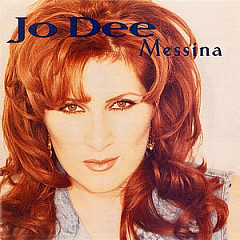
Jo Dee Messina's 1996 country classic "Heads Carolina, Tails California" was inspired by a book released the previous year called Border Music by Robert James Waller, where the main character flips a coin to decide his next destination.
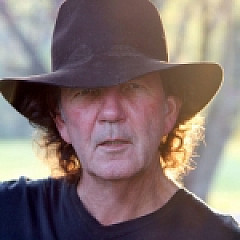
The writer of "Rainy Night in Georgia" and "Polk Salad Annie" explains how he cooks up his Louisiana swamp rock.
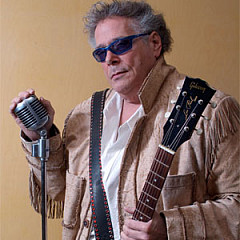
From the cowbell on "Mississippi Queen" to recording with The Who when they got the wrong Felix, stories from one of rock's master craftsmen.
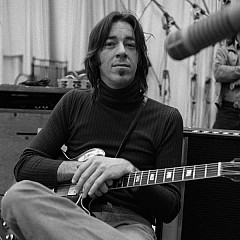
The "Lowdown" and "Lido Shuffle" singer makes a habit of playing with the best in the business.
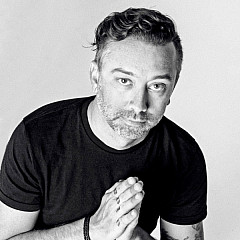
Rise Against frontman Tim McIlrath explains the meanings behind some of their biggest songs and names the sci-fi books that have influenced him.

His song "Into The Night" is one of the most-played of all time. For Benny, it took him to hell and back.
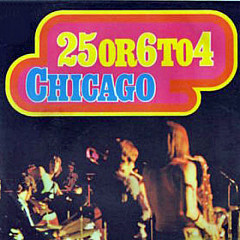
These Three famous songs actually describe how they were written - late into the evening.