
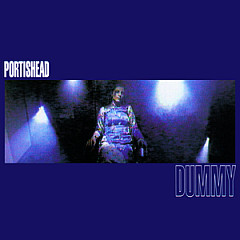
The eerie percussion and guitar for Portsihead's "Sour Times" was sampled from Lalo Schifrin's "Danube Incident," music composed by the Argentine composer for an episode of Mission Impossible.
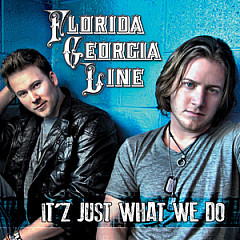
Florida Georgia Line's "Cruise" spent 24 weeks on top of the Country chart - the most ever until Sam Hunt's "Body Like a Back Road" was #1 for 34 weeks. The record was previously held by Eddy Arnold's "I'll Hold You in My Heart (1947-48), Hank Snow's "I'm Moving On" (1950-51) and Webb Pierce's "In the Jailhouse Now" (1955), which each led for 21 weeks.
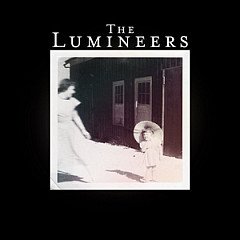
"Ho Hey" by The Lumineers is about New York City, where lead singer Wesley Schultz moved to make it in music. He was dismayed to find many "trust fund kids" in the music scene while he struggled to pay the rent.
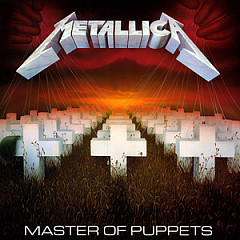
When Metallica performed in China in 2013, they weren't allowed to play "Master Of Puppets," probably because the theme of being controlled by a higher authority didn't sit well with the Chinese government.
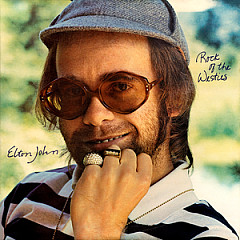
"Island Girl" was a #1 hit for Elton John in 1975, but he rarely played it live, maybe because it's about a Jamaican woman "turning tricks for the dudes in the big city."
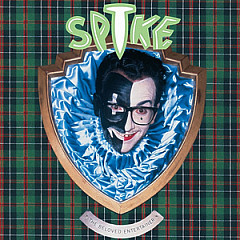
"Veronica" was inspired by Elvis Costello's grandmother, who suffered from Alzheimer's disease.

Starting in Virginia City, Nevada and rippling out to the Haight-Ashbury, LSD reshaped popular music.

She thinks of herself as a "song interpreter," but back in the '80s another country star convinced Emmylou to take a crack at songwriting.
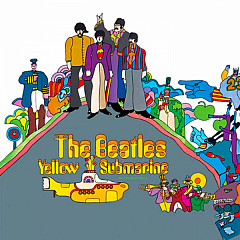
"25 or 6 to 4" to "Semi-Charmed Life" - see if you can spot the songs that are really about drugs.

In the name of song explanation, Al talks about scoring heroin for William Burroughs, and that's not even the most shocking story in this one.
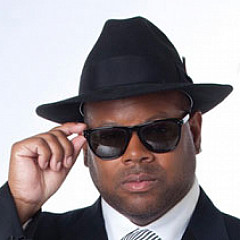
The powerhouse producer behind Janet Jackson's hits talks about his Boyz II Men ballads and regrouping The Time.

Jon Fratelli talks about the band's third album, and the five-year break leading up to it.