

Eddie Vedder often changes the words when he sings "Yellow Ledbetter." The basic story is about a guy whose brother dies in the first Gulf War. Apparently, bad news in the army is delivered in yellow envelopes.
"Veronica" was inspired by Elvis Costello's grandmother, who suffered from Alzheimer's disease.

Boston leader Tom Scholz went back to his job at Polaroid after releasing the group's debut album. When his co-workers kept coming by to tell him "More Than A Feeling" was playing on the radio, he knew it was time to quit his day job.
The Genesis song "Invisible Touch" was inspired by the Prince-written Sheila E. track "The Glamorous Life."
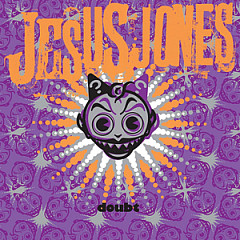
The Jesus Jones song "Right Here, Right Now" was conceived as an optimistic version of Prince's "Sign O' The Times."
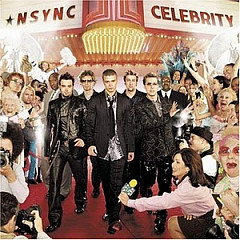
Justin Timberlake originally wrote "Gone" for Michael Jackson, but his team turned it down, so 'N Sync cut it instead.
We've heard of artists putting their hearts into their music, but some take it literally.
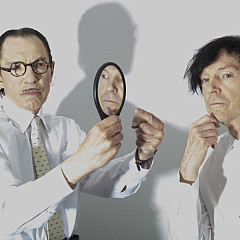
The men of Sparks on their album Hippopotamus, and how Morrissey handled it when they suggested he lighten up.
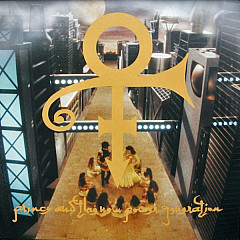
The evolution of the symbol that was Prince's name from 1993-2000.

Glen Ballard talks about co-writing and producing Alanis Morissette's Jagged Little Pill album, and his work with Dave Matthews, Aerosmith and Annie Lennox.
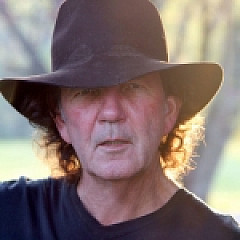
The writer of "Rainy Night in Georgia" and "Polk Salad Annie" explains how he cooks up his Louisiana swamp rock.
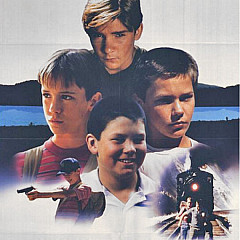
In 1986, a Stephen King novella was made into a movie, with a classic song serving as title, soundtrack and tone.